
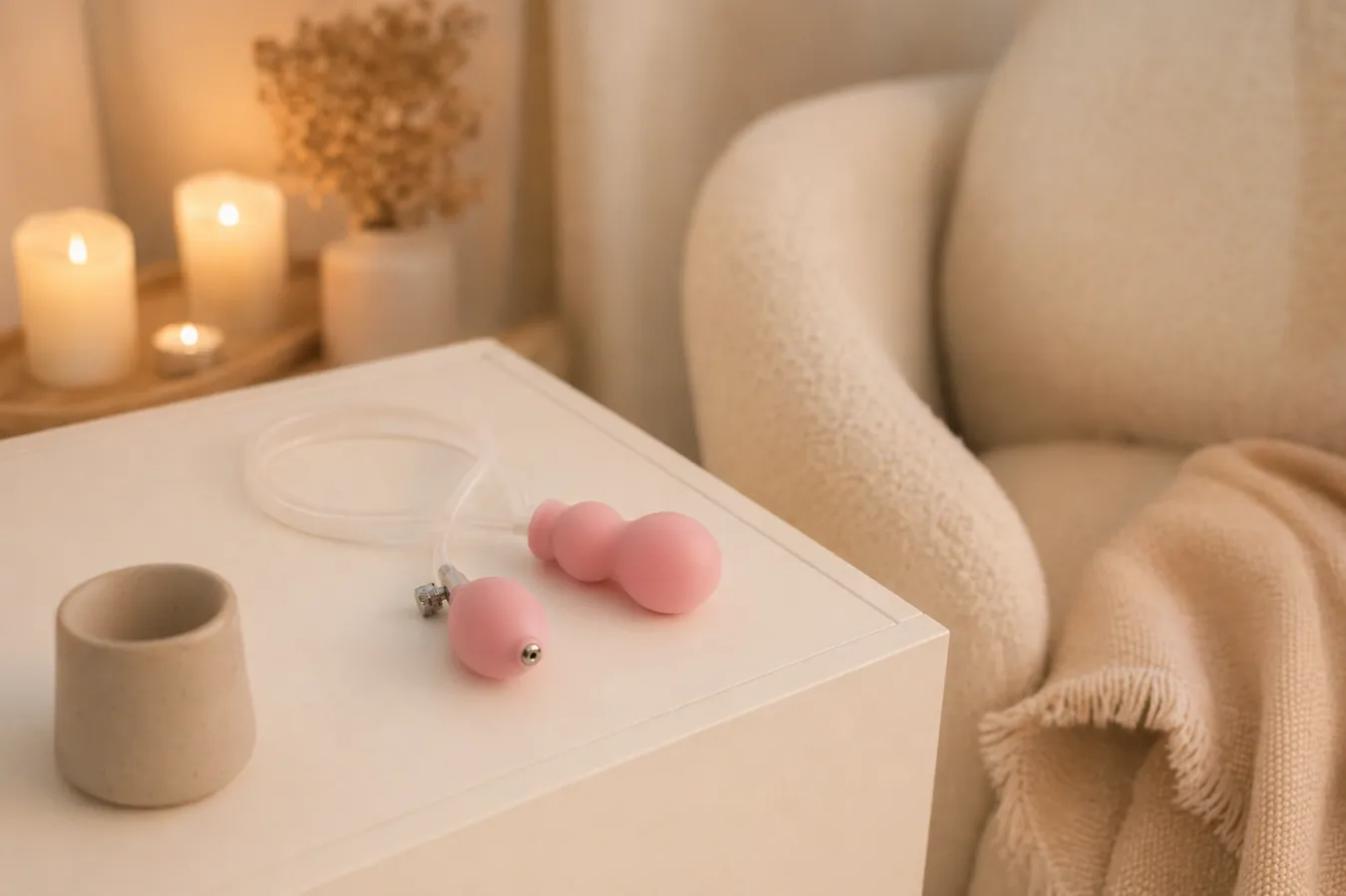
Awareness comes first.
The pelvic floor is a group of muscles and supporting structures at the base of the pelvis. It plays several roles in everyday movement and support. Much online advice focuses on making those muscles stronger.
But like other muscles, the pelvic floor is involved in coordinated movement and needs the ability to release tension. This is one reason pelvic floor education around pregnancy is broader than simply “do more Kegels.”
Three ideas worth knowing.
Activation
Recognizing when muscles become engaged, without treating the strongest contraction as the only goal.
Relaxation
Recognizing the sensation of letting go of unnecessary tension rather than continuously gripping.
Breathing
Understanding that the pelvic floor works as part of a wider system that includes the diaphragm and abdomen.
A note about safe use
Before using Aniball, please read and follow the complete instructions included with your product, including all warnings and contraindications. If you are pregnant, discuss your individual suitability with your maternity healthcare professional.
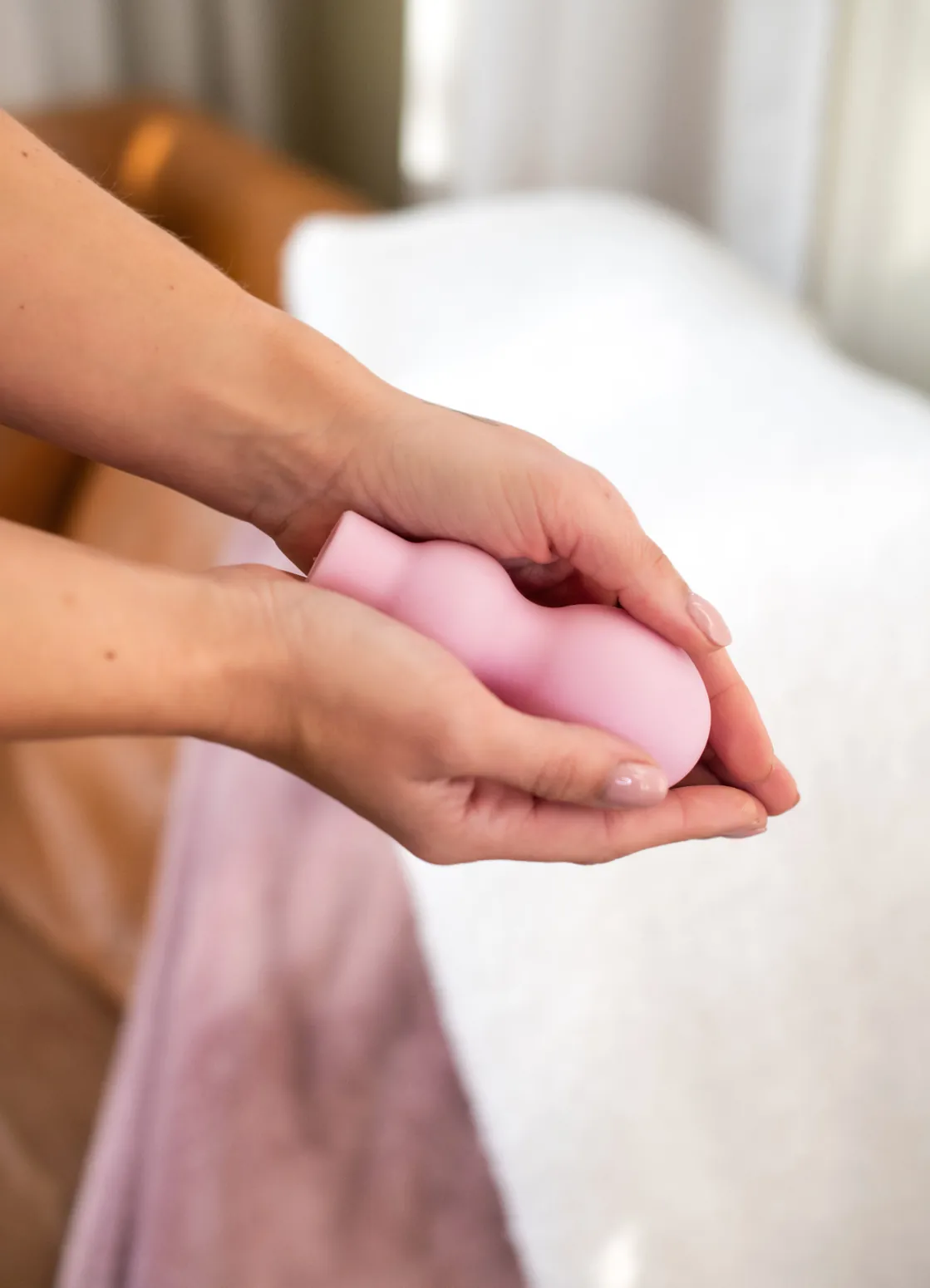
Breathing and Pelvic Floor Awareness
A calmer way to understand the relationship between breath, tension and pelvic floor movement.
Read article ↗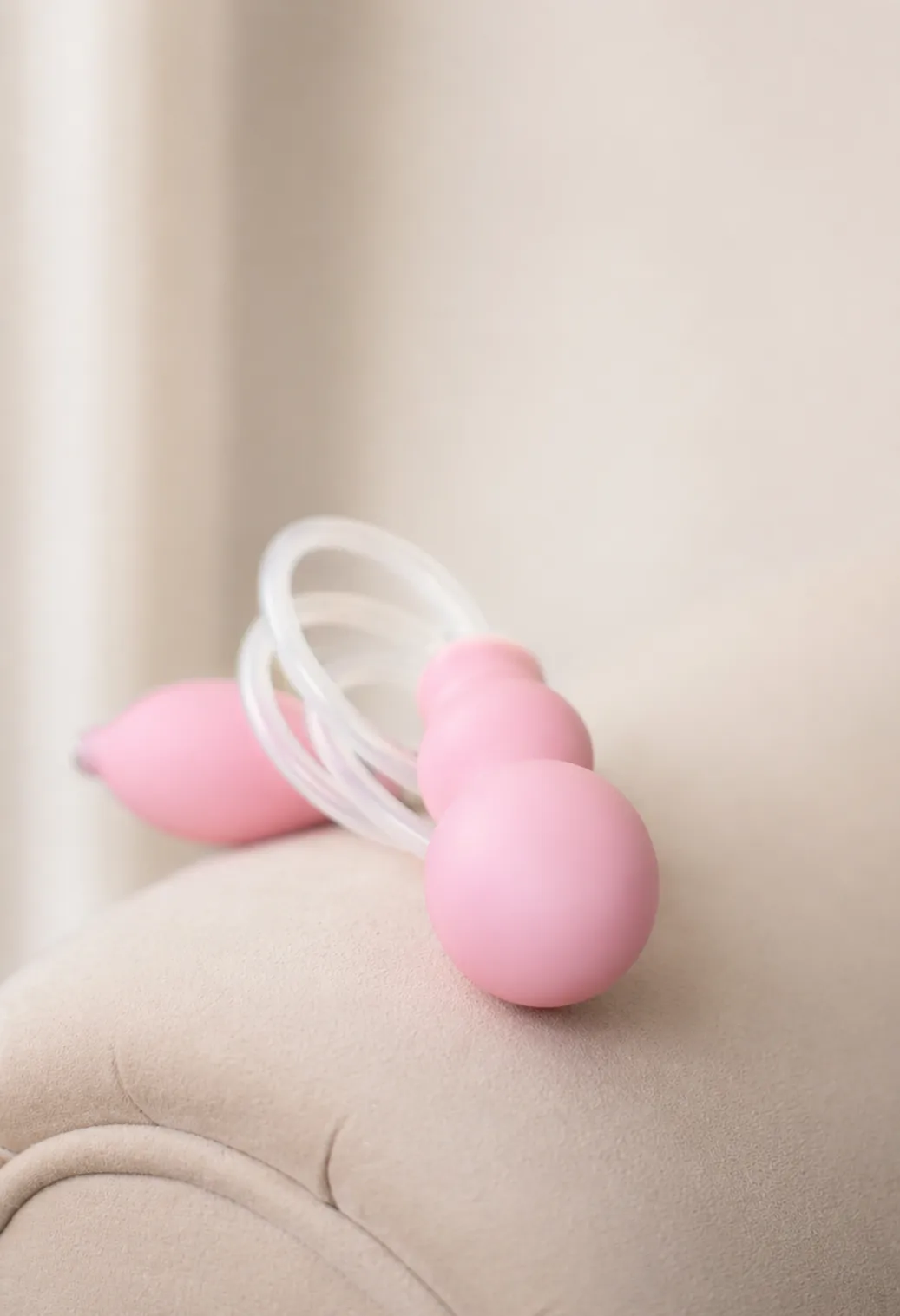
Relaxation Is Not the Opposite of Strength
Why pelvic floor education should talk about both engaging and releasing the muscles.
Read article ↗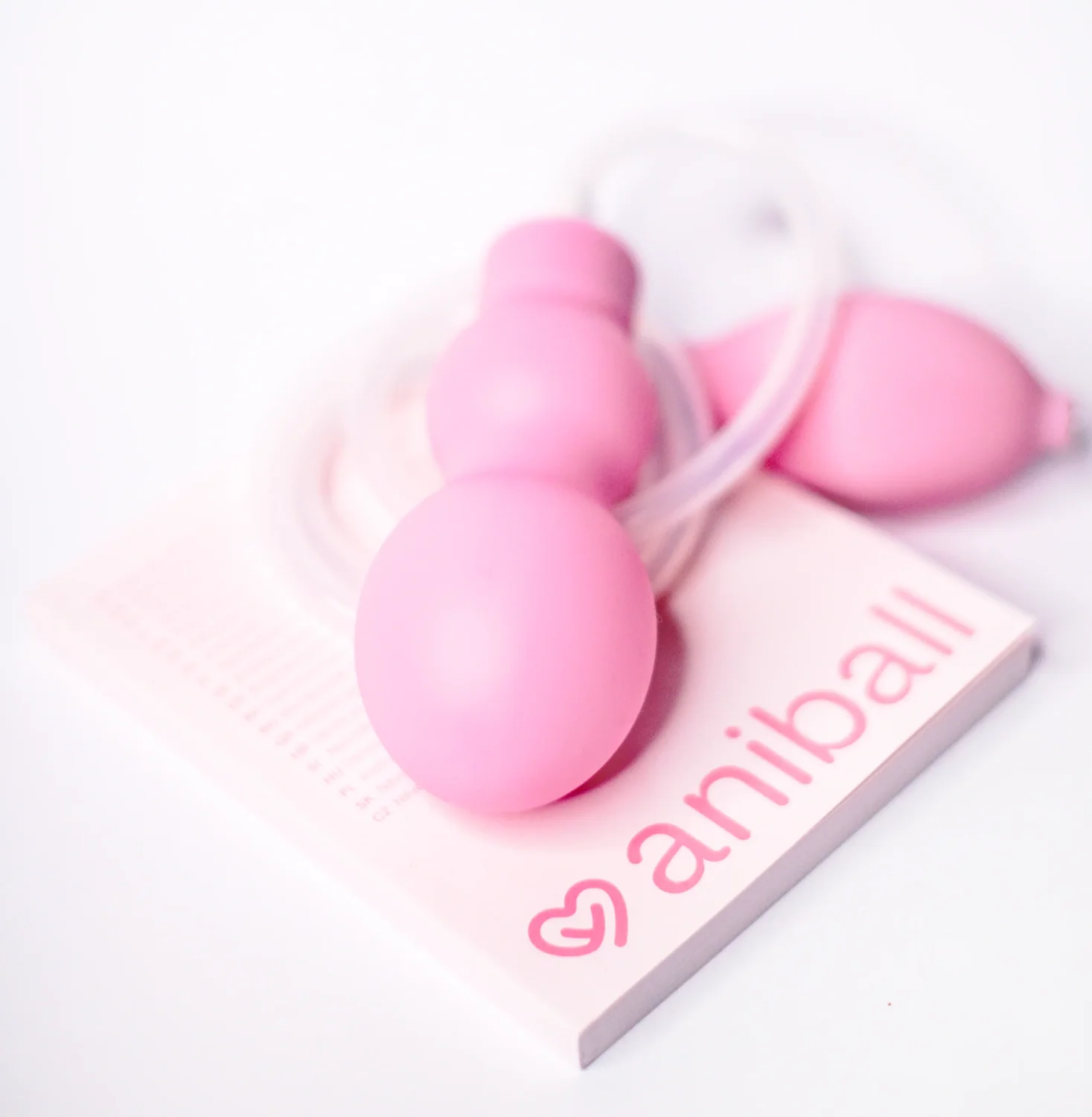
A Simple Glossary of Birth Preparation Terms
Helpful explanations of terms often used when discussing breathing, relaxation and the pelvic floor.
Read article ↗